
Every believer eventually faces a season of weakness, pain, or unanswered prayer. In those moments, one verse continues to bring comfort across generations: “My grace is sufficient for you.” This short promise from 2 Corinthians 12:9 carries deep theological weight and practical hope for anyone walking through hardship.
This article explores the biblical meaning of God’s grace, the story behind Paul’s thorn in the flesh, and how this timeless truth applies to modern faith and daily struggles.
Understanding the Meaning of God’s Grace in Scripture
Grace, in biblical language, refers to God’s unearned favor freely given to undeserving people. It is not a reward for good behavior but a gift rooted in divine love. Throughout Scripture, grace appears as the foundation of salvation, forgiveness, and spiritual strength. Understanding grace correctly changes how believers view their weaknesses and failures.
The Context of 2 Corinthians 12:9
Paul wrote this passage while defending his ministry against false apostles in Corinth. He described being given extraordinary spiritual revelations, followed by a painful and humbling affliction. When Paul pleaded for relief, God answered not by removing the problem but by promising sufficient grace. This context shapes the entire meaning of the verse.
Who Was Paul and Why Did He Need Grace
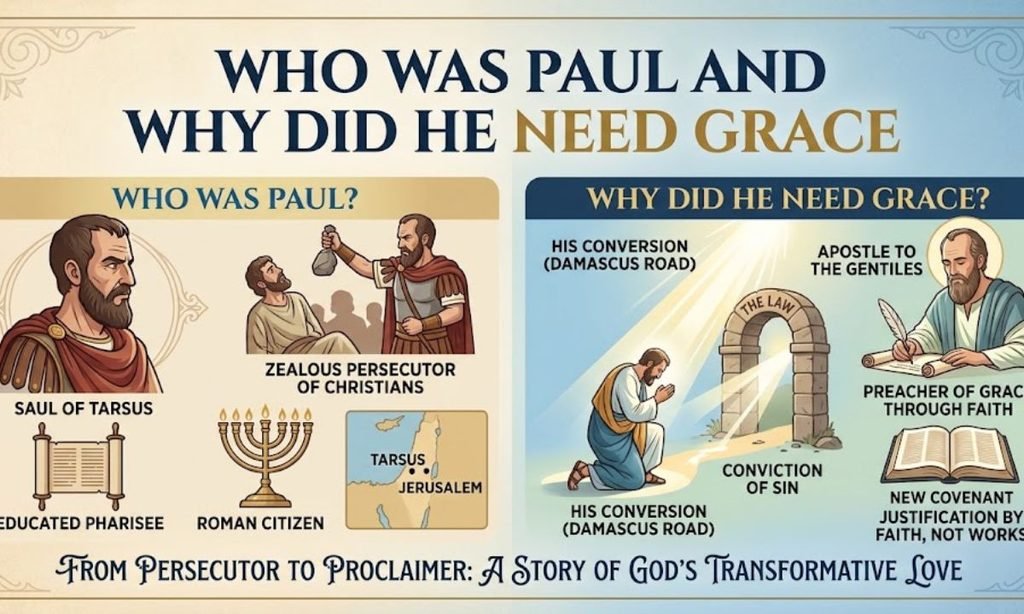
Paul was once a persecutor of Christians before his dramatic conversion on the road to Damascus. As an apostle, he endured beatings, shipwrecks, imprisonment, and constant opposition. Despite his authority and spiritual experience, Paul openly admitted his need for divine strength. His honesty models humility for every reader facing personal limitation.
What Was Paul’s Thorn in the Flesh
Bible scholars have debated the exact nature of Paul’s thorn for centuries, with theories ranging from a physical ailment to persistent persecution. Scripture intentionally leaves the detail vague so believers of every generation can relate their own struggle to it. Whatever the affliction, its purpose was to keep Paul humble rather than prideful.
The Original Greek Meaning of Sufficient Grace
The Greek word translated “sufficient” is arkei, written in the present tense to show continuous, ongoing provision. This grammatical detail matters because it means grace was not a one-time gift but a daily, renewable supply. God’s answer to Paul was not limited to that single moment but extended into every future trial.
God’s Power Made Perfect in Weakness
The second half of the verse reveals a striking spiritual principle: divine power reaches its fullest expression through human weakness. This is not a comfortable truth for a culture that prizes self-sufficiency. Yet it teaches that dependence on God, rather than personal strength, is the true source of spiritual effectiveness.
Grace Versus Mercy: Understanding the Difference
Many readers use grace and mercy interchangeably, but the Bible distinguishes between them. Mercy withholds deserved punishment, while grace grants undeserved favor. Recognizing this difference deepens appreciation for what God offers believers.
| Aspect | Grace | Mercy |
| Definition | Unmerited favor freely given | Withholding of deserved judgment |
| Focus | What we receive that we did not earn | What we avoid that we did deserve |
| Bible Example | Salvation through faith, Ephesians 2:8 | God sparing Nineveh, Jonah 3:10 |
| Key Verse | 2 Corinthians 12:9 | Lamentations 3:22 to 23 |
| Practical Meaning | Empowerment and strength for daily living | Forgiveness and relief from consequence |
Old Testament Foundations of God’s Grace
Although the word grace appears heavily in New Testament writing, its foundation runs throughout the Old Testament. God’s covenant relationship with Israel was built on undeserved favor rather than national merit. Passages describing God as compassionate and slow to anger reveal a consistent character trait long before Paul wrote his letters.
Grace in the Life of Moses

Moses experienced God’s sustaining grace despite his own hesitation and self-doubt when called to lead Israel. Even after failures such as striking the rock in anger, God continued to use him for divine purposes. His life demonstrates that grace equips imperfect people for significant callings.
Grace in the Life of David
King David committed serious moral failures, yet Scripture calls him a man after God’s own heart. His restoration following repentance in Psalm 51 illustrates grace at work in a broken life. David’s story reassures believers that past mistakes do not disqualify them from future purpose.
Grace Through Jesus Christ in the New Testament
The fullest expression of grace arrives through Jesus Christ, described in John 1:17 as bringing grace and truth. His sacrificial death and resurrection provide the ultimate demonstration of unearned favor toward sinful humanity. Every later reference to sufficient grace flows directly from this foundational gift.
How Grace Transforms Human Weakness into Strength
Weakness, in biblical thinking, becomes an opportunity rather than a defeat. When personal resources run out, dependence on God opens space for supernatural strength to operate. This transformation reframes struggle as a pathway toward deeper faith rather than a sign of spiritual failure.
Living Out Sufficient Grace in Daily Life
Applying this truth requires shifting focus from self-reliance to daily reliance on God. Simple practices such as prayer, gratitude, and Scripture meditation help believers internalize the promise of sufficient grace. Over time, this mindset builds resilience during ordinary and extraordinary challenges alike.
Grace During Suffering and Trials
Suffering often raises difficult questions about God’s presence and fairness. The promise of sufficient grace does not eliminate pain, but it assures believers of companionship and strength through it. Many testimonies describe unexpected peace during illness, loss, or hardship as evidence of this ongoing provision.
Grace and Personal Growth in Faith
Spiritual maturity often develops most rapidly during difficult seasons rather than comfortable ones. Trials expose areas of pride, fear, or self-sufficiency that need surrender. As believers lean into grace during hardship, character growth naturally follows.
Common Misunderstandings About God’s Grace
Some people mistakenly believe grace means God removes every problem immediately upon request. Others assume grace is only for salvation and stops applying afterward. Scripture instead presents grace as continuous, sufficient for both conversion and every struggle that follows.
Grace Is Not a License to Sin
Paul addressed this misunderstanding directly in Romans 6, warning against using grace as an excuse for careless living. True grace inspires gratitude and transformed behavior rather than indifference toward sin. Understanding this distinction protects believers from a shallow or self-serving view of faith.
Grace Is Not Weakness in Character
Relying on grace does not mean passivity or avoiding responsibility. Believers are still called to work, pray, and pursue righteousness while trusting God for strength. Grace empowers action rather than replacing it.
How to Apply 2 Corinthians 12:9 Today
Modern readers can apply this verse by identifying their own version of a thorn, whether physical, emotional, or circumstantial. Instead of only praying for removal, believers can also pray for strength to endure with purpose. This shift in perspective often brings unexpected peace during ongoing hardship.
Prayers and Practices to Experience God’s Grace
Consistent practices help believers stay connected to this promise during difficult seasons.
- Begin each morning with a short prayer acknowledging personal weakness and need
- Memorize key grace-focused verses for moments of anxiety or doubt
- Journal specific instances where strength appeared beyond personal ability
- Join a faith community for encouragement during long-term trials
- Reflect weekly on answered and unanswered prayers with an open heart
Bible Verses About Grace Being Sufficient
Several passages throughout Scripture reinforce the theme found in 2 Corinthians 12:9.
| Bible Verse | Core Message |
| 2 Corinthians 12:9 | God’s grace is sufficient and power is made perfect in weakness |
| Ephesians 2:8 to 9 | Salvation comes through grace by faith, not by works |
| Hebrews 4:16 | Believers can approach God’s throne of grace with confidence |
| Romans 5:20 | Where sin increased, grace increased even more |
| James 4:6 | God gives grace generously to the humble |
| 2 Timothy 1:9 | God’s grace was given before time began, through Christ Jesus |
Lessons Believers Can Learn From Paul’s Thorn
Paul’s experience teaches that unanswered prayer is not always a sign of divine absence. Sometimes the greater blessing is strength to endure rather than removal of the difficulty. This lesson reshapes how believers interpret prolonged struggles in their own lives.
Why God’s Grace Matters More Than Human Strength
Human strength eventually runs out under enough pressure, but grace remains constant regardless of circumstance. This truth shifts confidence away from personal ability toward a dependable, unchanging source. For anyone facing exhaustion or fear, this promise offers lasting reassurance rather than temporary relief.
Encouragement for Those Facing Hard Seasons
Every generation of believers has faced seasons that felt unbearable without outside help. The same grace that sustained Paul remains available today, unaffected by time or circumstance. Holding onto this truth allows hope to remain steady even when situations do not change.
The Role of Community in Experiencing Grace
While grace is a personal gift from God, it often becomes visible through supportive community. Fellow believers can reflect encouragement, prayer, and practical help during difficult periods. Isolation tends to magnify struggle, while community often becomes a channel through which grace is experienced.
Grace and Emotional Healing
Beyond physical or circumstantial trials, many people carry emotional wounds that require ongoing healing. Sufficient grace applies here as well, offering comfort and gradual restoration rather than instant erasure of pain. Patience with the healing process reflects trust in grace working over time.
How Sufficient Grace Differs From Self-Help Philosophy
Modern self-help culture often emphasizes personal willpower and internal resilience as the answer to hardship. Biblical grace instead points outward, toward dependence on God rather than exclusively on personal effort.
This distinction offers relief to those who feel they have already tried everything within their own strength.
Frequently Asked Questions
What does it mean that God’s grace is sufficient?
It means God’s favor and strength are enough to sustain believers through any weakness or trial they face.
What was Paul’s thorn in the flesh?
Scripture does not specify the exact nature, though it caused ongoing personal struggle and humility for Paul.
Why did God not remove Paul’s thorn?
God chose to provide strength to endure it rather than eliminate the difficulty, showing power through weakness.
Is grace only for salvation or for daily life too?
Grace covers both salvation and continuous daily strength, not just the initial moment of belief.
How can I experience sufficient grace personally?
Regular prayer, Scripture reading, and honest acknowledgment of weakness help believers rely on this ongoing provision.
Does grace mean I can ignore my responsibilities?
No, grace empowers responsible action and growth rather than excusing carelessness or sin.
What is the difference between grace and mercy?
Mercy withholds deserved punishment, while grace freely gives favor that was never earned or deserved.
Conclusion
God’s grace is sufficient remains one of the most reassuring truths in all of Scripture. Paul’s experience with his thorn in the flesh shows that unanswered prayers can still carry purpose when divine strength fills the gap.
For anyone walking through weakness today, this ancient promise still offers the same comfort it gave nearly two thousand years ago: grace is enough, and it never runs out.
